Tallarium
A refined UX and design system supporting Tallarium’s real-time pricing data for OTC traders, making complex market signals easier to understand and act on.
Client
Tallarium
Sector
Energy Trading
Financial Data Intelligence
B2B / SaaS
Discipline
UX Strategy
Product Design
Information Architecture
Workflow Optimisation
Data Visualisation
Microcopy
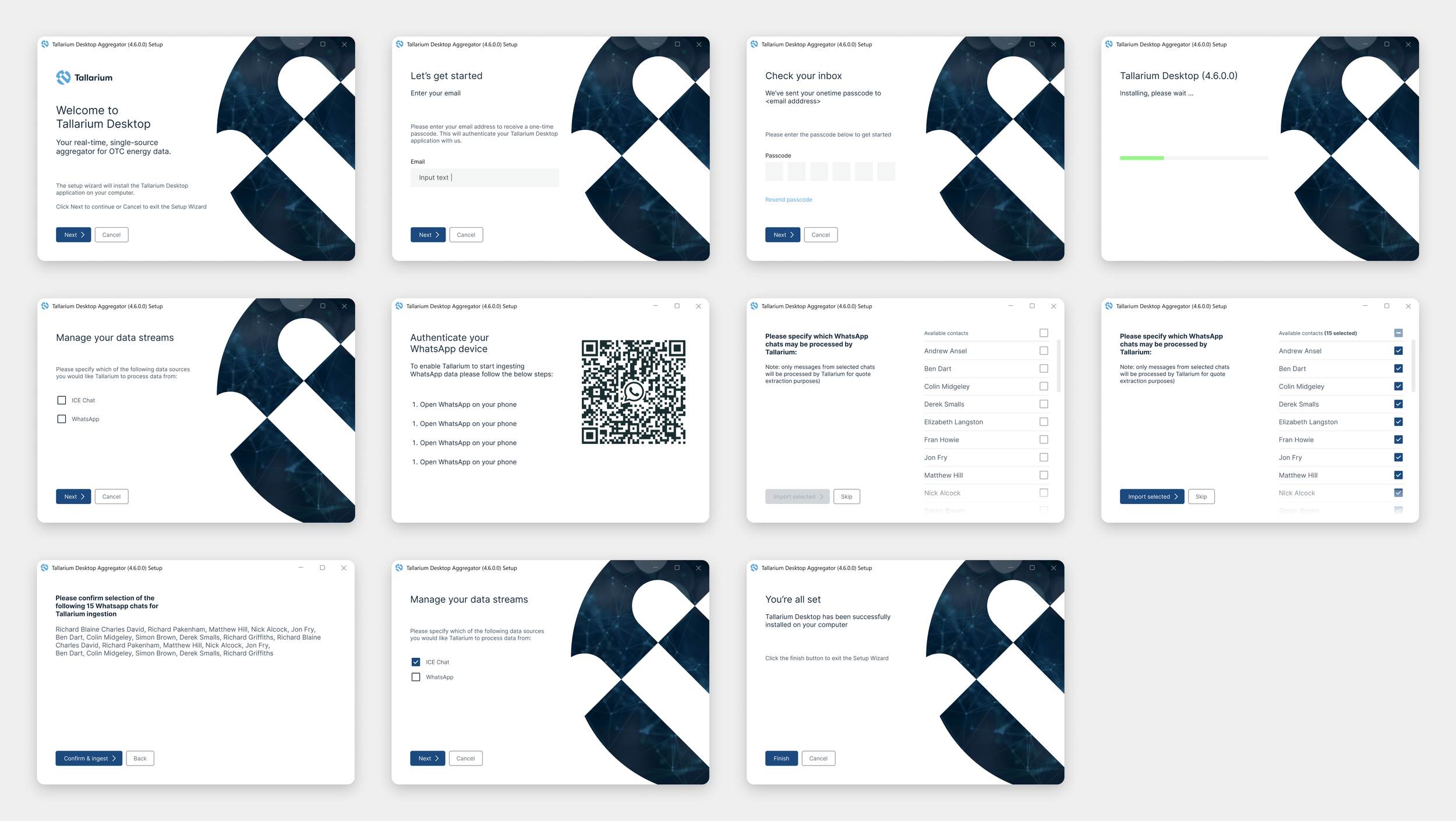
Context
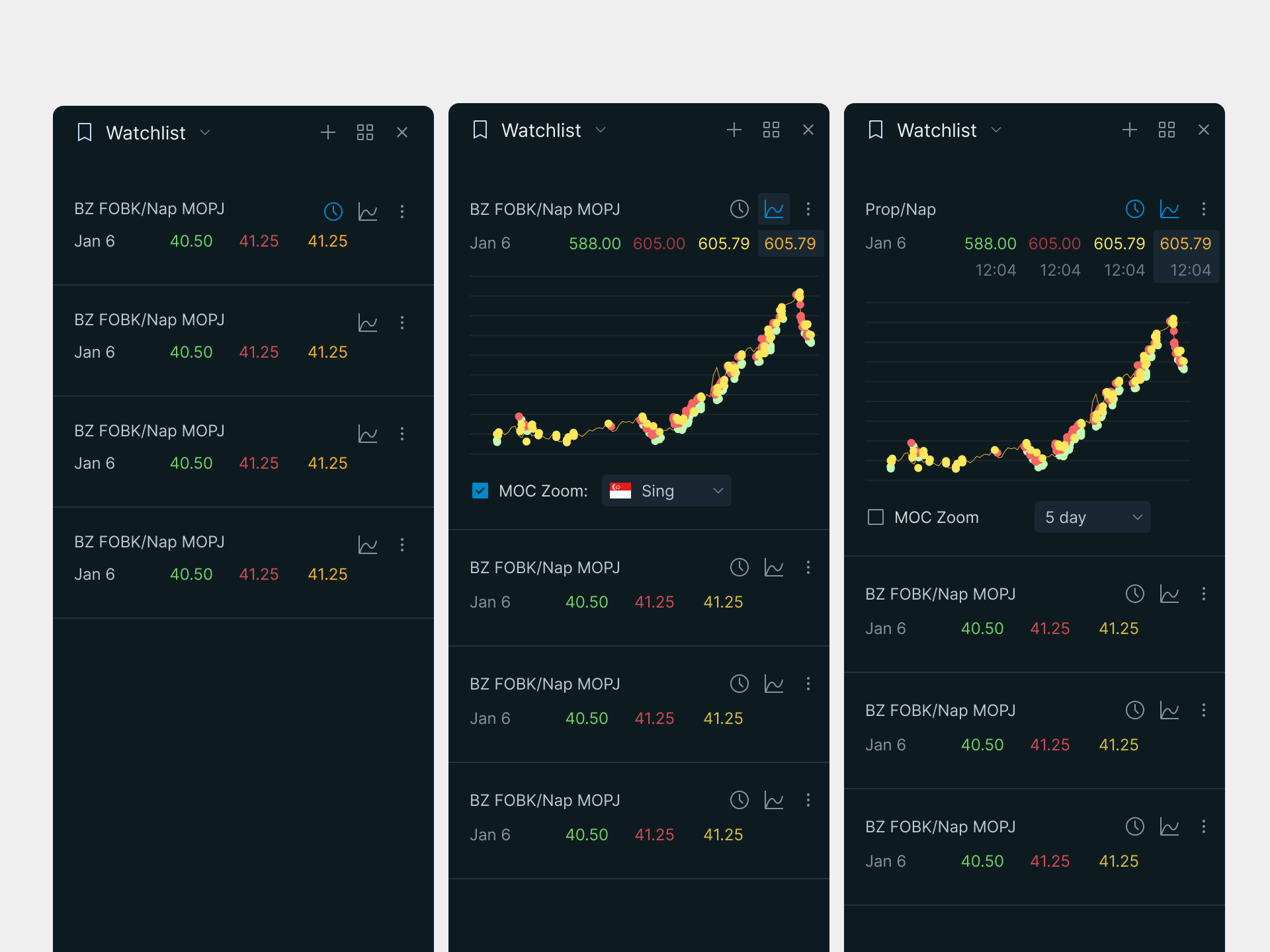
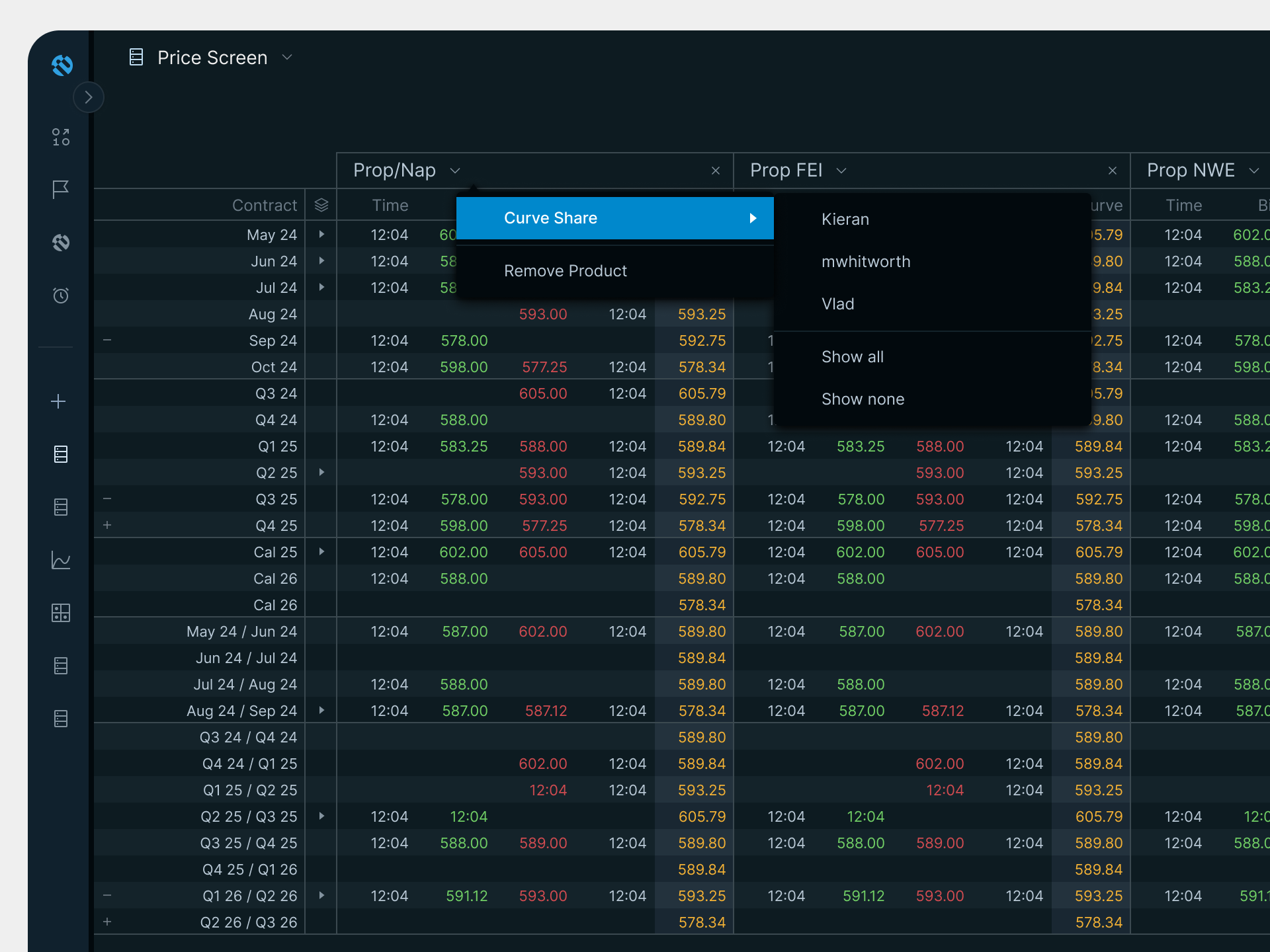
Tallarium is a pre-trade intelligence platform for OTC energy markets. It converts fragmented chat and call data into structured pricing signals, giving traders a clearer view of market movements. I worked as the lead UX and UI consultant, responsible for reshaping core workflows and creating a scalable design foundation.
Challenge
Trading desks make decisions under pressure: incomplete data, inconsistent tools, and high stakes. Tallarium’s early interface surfaced price signals, but the workflows, hierarchy, and mental models weren’t yet aligned with how traders scan, compare, and act on information.
The goal was to make the platform faster to read, easier to trust, and more predictable during live trading.
My Role
My role focused on shaping the product’s UX foundations and design system.
UX strategy across intelligence, workflow, and pricing layers
Information architecture and interaction design
High-fidelity prototypes tested with real trading desks
Collaboration with data-science and product teams
Visual system and component structure
Translating machine-extracted signals into clear, dependable UI patterns
Key Moves
Key actions that defined how the product evolved into a clearer, more dependable trading tool.
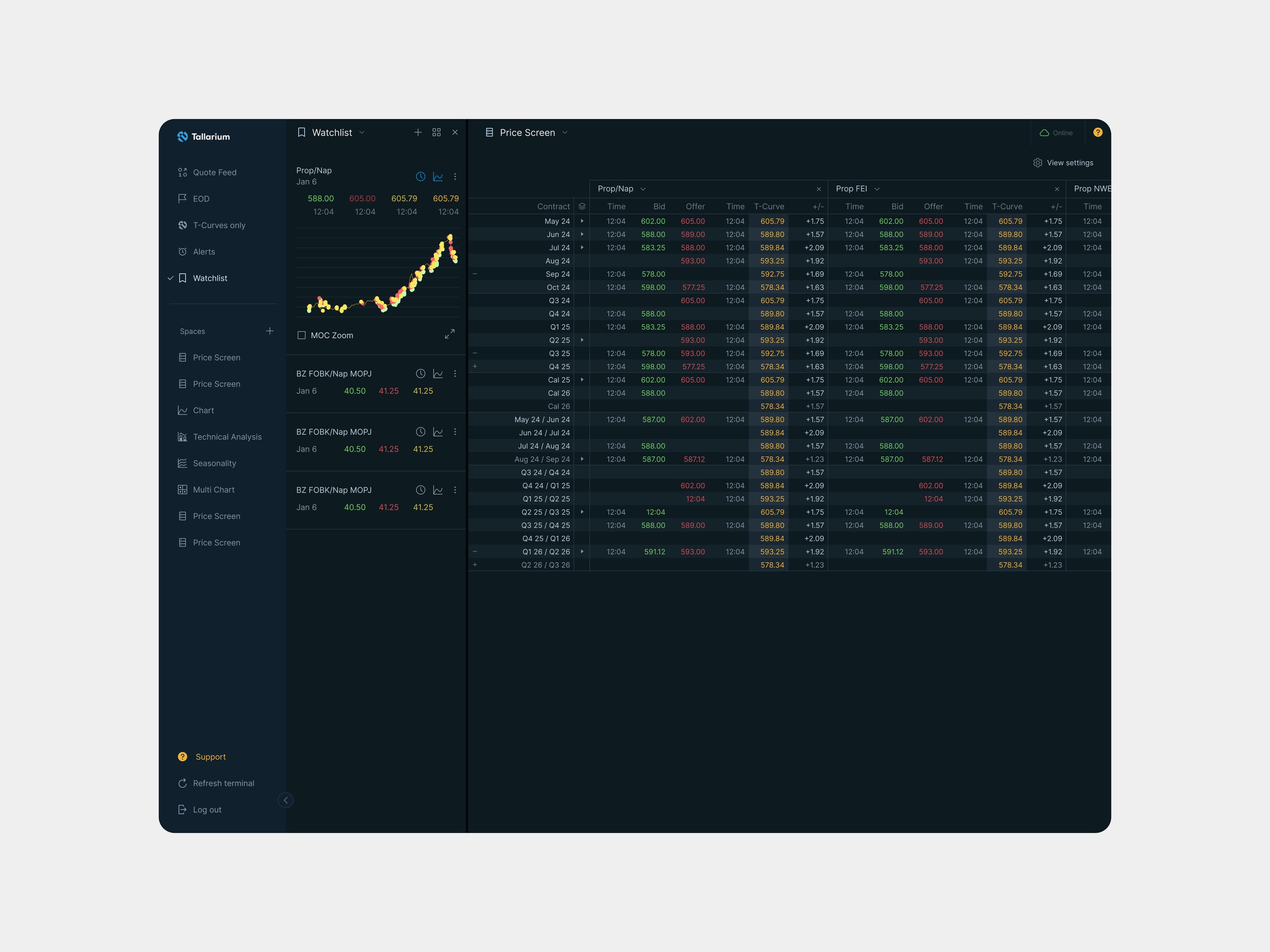
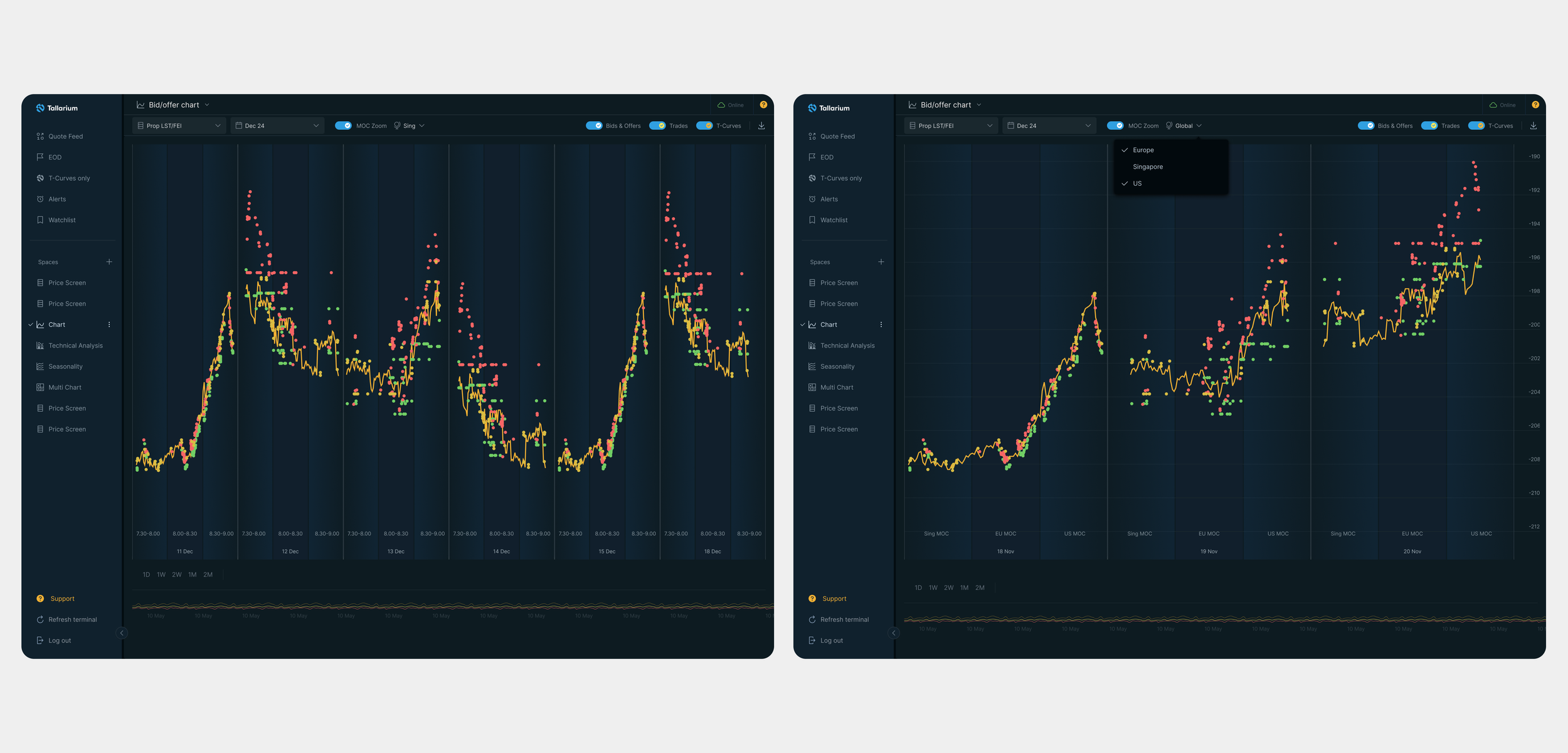
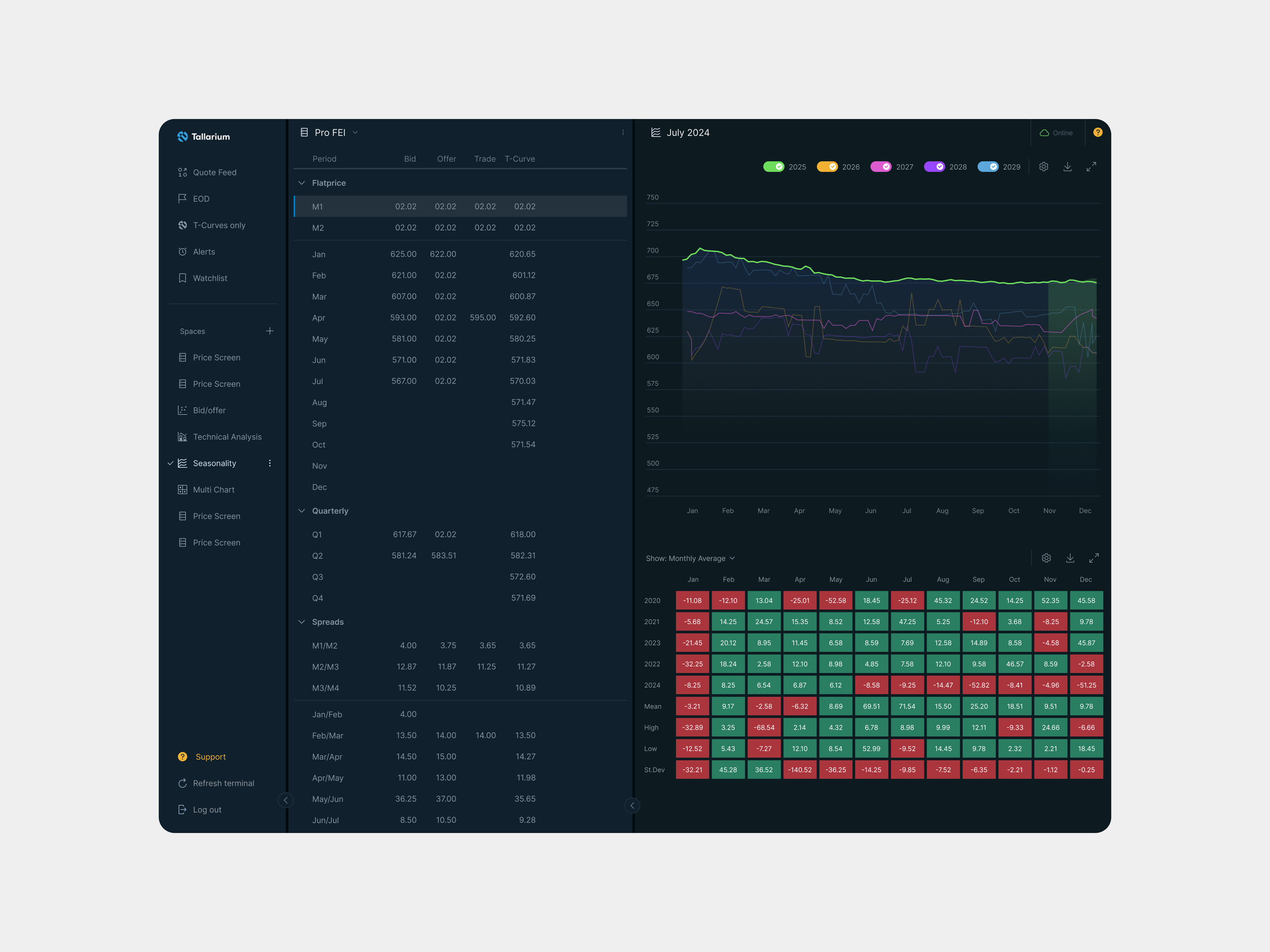
Rebuilt the information hierarchy around signals
Organised the interface around the machine-derived pricing changes, anomalies, and confidence states traders care about most. Reduced noise and aligned layouts with real scanning behaviour.Redesigned workflows for speed and clarity
Simplified multi-step tasks using grouping, spacing, and progressive disclosure. Enabled traders to move between dialogue, deal terms, and price context with far less friction.Prototyped realistic trading scenarios
Created detailed interactive flows replicating live desk conditions. Tested with traders to refine data presentation, terminology, and decision-making logic.Established a scalable component and layout system
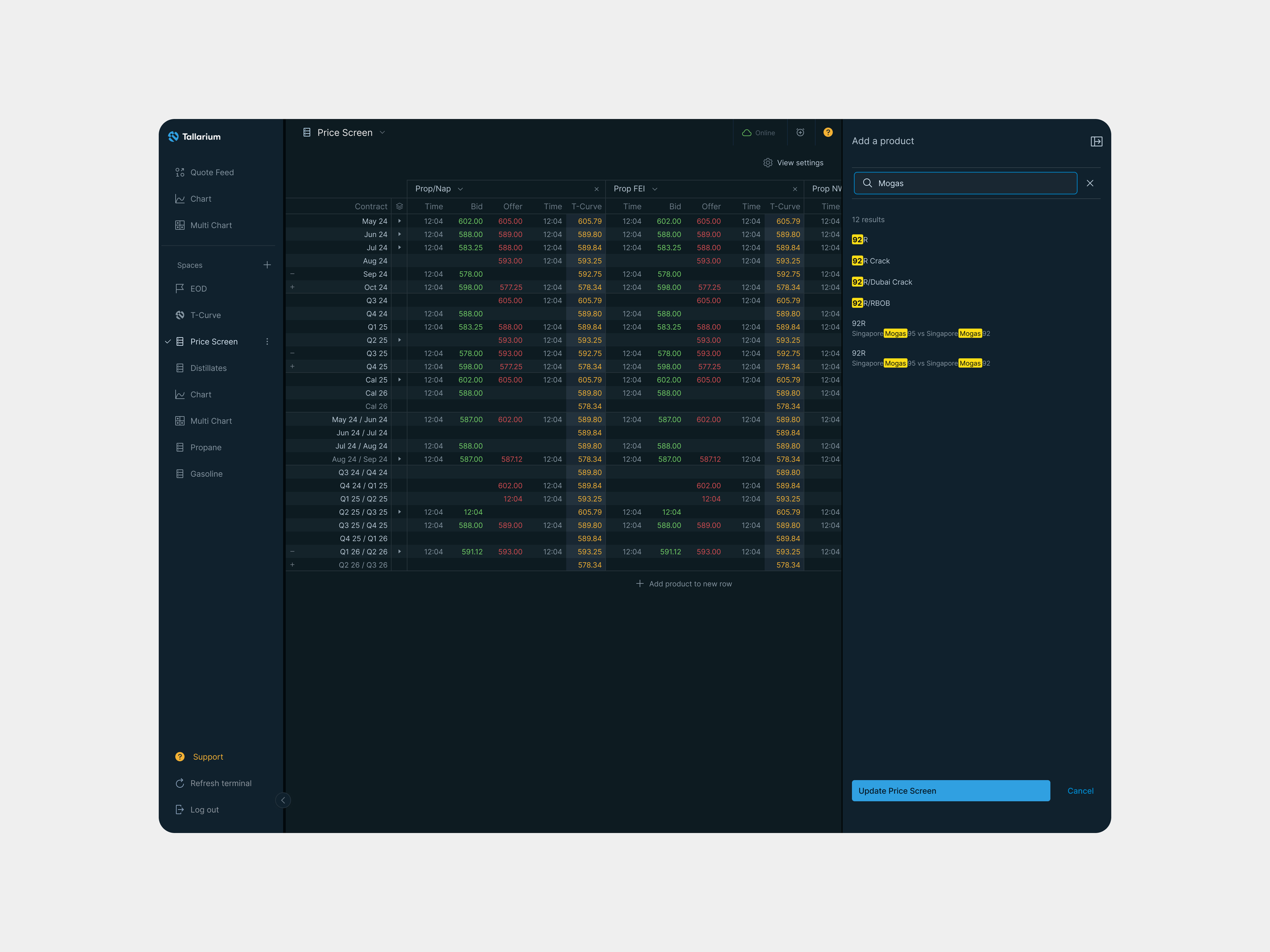
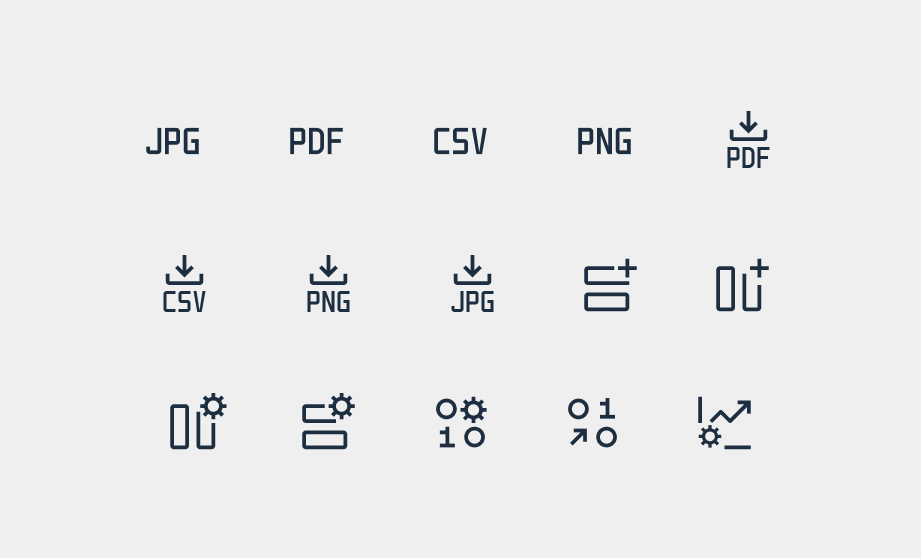
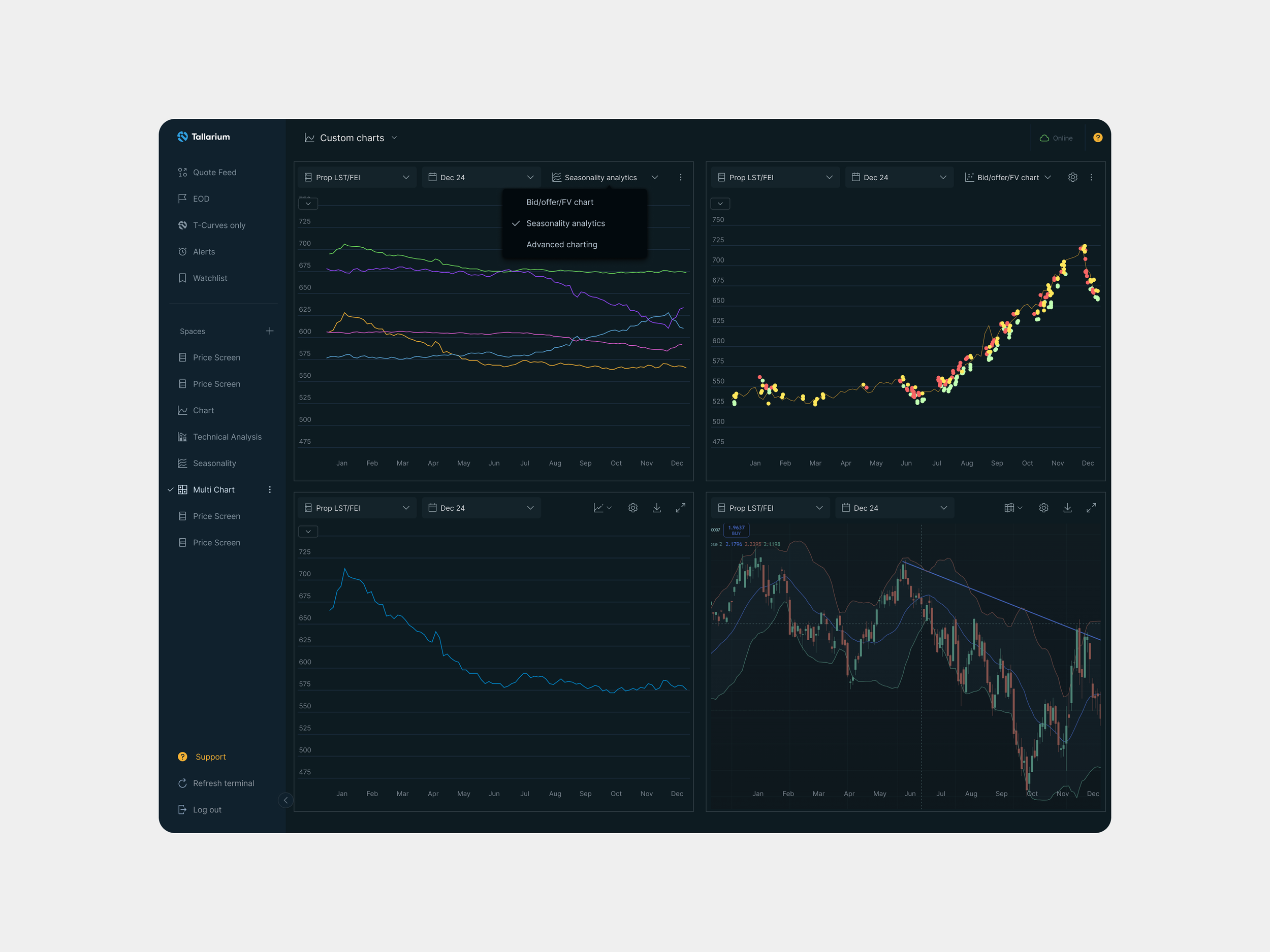
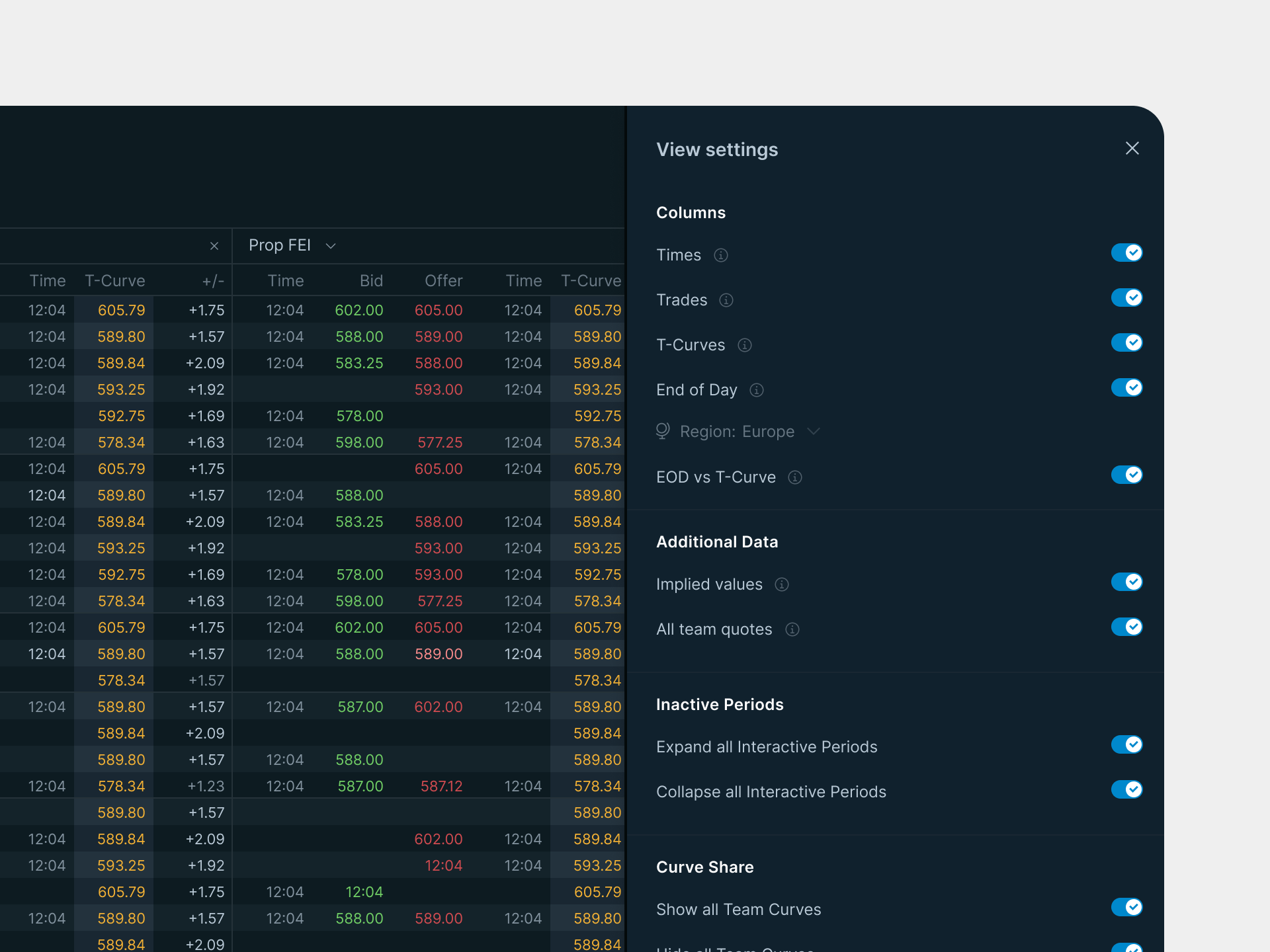
Built consistent structures for tables, cards, deal panels, and intelligence modules. This created coherence across the product and accelerated future development.Aligned data-science outputs with human mental models
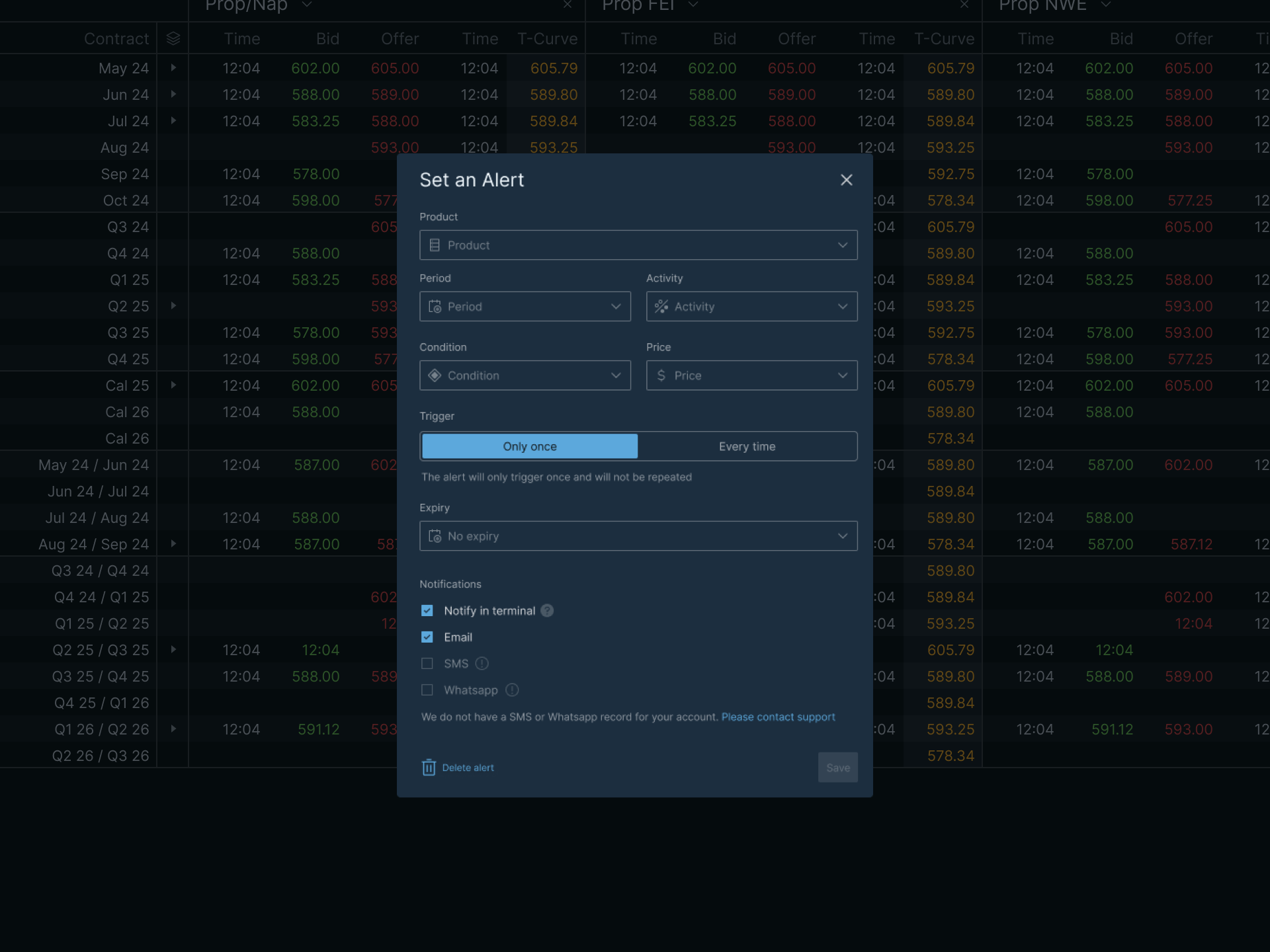
Translated model behaviour into UI patterns that made pricing confidence, uncertainty, and anomalies easier to understand and harder to misinterpret.Designed a configurable price alert system Introduced price alerts from scratch — giving traders precision control over which conditions triggered notifications, across which products and periods. Prevented both missed signals and notification overload.
Case Study: A closer look: the Tallarium Alerts System →
Impact
The redesign strengthened decision-making, reduced friction, and created a solid base for future scale.
Faster comprehension of pricing signals and anomalies
Improved clarity around model-derived confidence
Reduced friction in high-pressure workflows
Stronger trust in automated insights
A cleaner, more predictable product foundation for future features
Reflection
In high-pressure environments, clarity is the product. Every decision must support faster understanding and more confident action.